
Fort Worth: Where the Fun Begins
When people think of North Texas, Dallas usually gets the spotlight. But just 30 miles west, Fort Worth has quietly built a reputation as one of the most fun, livable cities in the state. It calls itself the place “where the West begins,” and it pairs that cowboy heritage with world-class art, a lively restaurant scene and some of the most beautiful historic buildings in Texas.
The Stockyards: history you can walk through
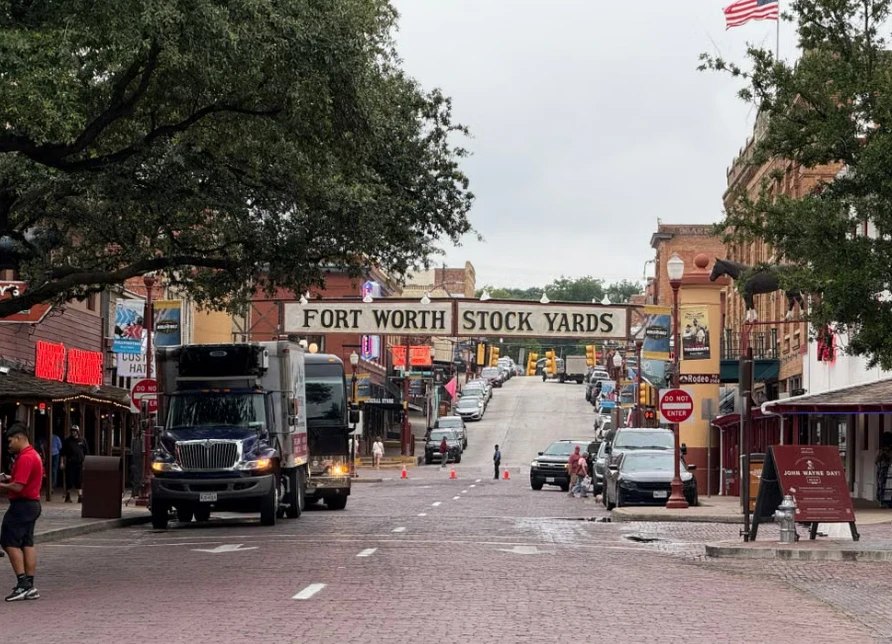
The Fort Worth Stockyards National Historic District is where the city’s cattle-town roots come alive. Brick streets, the 1902 Livestock Exchange Building and the historic Cowtown Coliseum set the scene, and twice a day the Fort Worth Herd drives longhorns right down Exchange Avenue. Add in the honky-tonks, western wear shops and rodeo nights, and it’s easy to see why visitors from around the world make the trip.
Every winter, the Fort Worth Stock Show and Rodeo carries that tradition forward, now at the striking Dickies Arena.
Downtown and Sundance Square
Downtown Fort Worth feels walkable and welcoming in a way many big-city centers don’t. Sundance Square anchors it with restaurants, shops and a plaza that hosts concerts and holiday events throughout the year.
Every April, the MAIN ST. Fort Worth Arts Festival takes over downtown, stretching along Main Street from the Tarrant County Courthouse to the convention center. For four days, more than 200 juried artists from across the country set up along the red-brick street, with live music, food and the Fort Worth Art Fair’s local artists filling Sundance Square Plaza at the same time. Both events are free.
The historic architecture is a big part of the charm. The pink granite Tarrant County Courthouse has stood watch over the north end of downtown since 1895. The Flatiron Building, finished in 1907, still turns heads at the corner of Main and Houston. The 1931 Texas & Pacific Railway terminal, one of the finest Art Deco buildings in the city, has found a second life: its restored lobby still serves commuter trains, while the floors above were converted into the T&P Lofts, which opened in 2006. And just a few blocks away, the Fort Worth Water Gardens offer a surprisingly peaceful escape of terraced pools and cascading water.
A cultural district that rivals any in the country
Fort Worth’s Cultural District is a genuine treasure, and several of its museums are architectural landmarks in their own right:
- The Kimbell Art Museum, designed by Louis Kahn, is considered one of the great museum buildings of the 20th century. A second pavilion by Renzo Piano opened in 2013.
- The Modern Art Museum of Fort Worth, designed by Tadao Ando, seems to float on its reflecting pond.
- The Amon Carter Museum of American Art, designed by Philip Johnson, is known for its collection of American and Western art.
Downtown, Bass Performance Hall, with its two towering angel sculptures, hosts Broadway tours, the symphony, opera and ballet. The city is also home to the Van Cliburn International Piano Competition, which draws pianists from around the world.
A restaurant scene worth the drive
Fort Worth takes food seriously. Longtime favorites like Joe T. Garcia’s, serving Tex-Mex since 1935, sit alongside chef-driven newcomers. Along Magnolia Avenue and throughout the Near Southside, restored brick buildings now hold cafes, breweries, bakeries and some of the city’s most talked-about restaurants. From steakhouses in the Stockyards to patio brunch on a Sunday morning, there’s always somewhere new to try.
A fun place to call home
Fort Worth offers a remarkable range of places to live. On the west and southwest sides, established neighborhoods like Monticello, Rivercrest, Tanglewood and Mistletoe Heights are known for big, tree-lined streets and homes with real character, many just minutes from the Cultural District and the Trinity Trails.
Downtown, high-rise living puts Sundance Square, Bass Hall and dozens of restaurants right outside the door. The Tower, a former bank building converted into condominiums, is one of the city’s best-known addresses, and the T&P Lofts offer historic Art Deco living right on the commuter rail line.
And to the northwest, out toward Eagle Mountain Lake, you’ll find a truly rural feel, with homes on acre lots and room for gardens, animals and wide-open skies, all while keeping downtown Fort Worth within easy driving distance.
With all of that history, culture and great food, Fort Worth has grown into a lively, fun place to live, with something to do any night of the week.
For how the cattle trade built the place, see oil, cattle, and banking. In December, the Stockyards and downtown both feature in my holiday roundup.
If you’re interested in property in Fort Worth, I’m happy to help.
About the Author
Christina Kang is a broker associate with CENTURY 21 Judge Fite Company, serving buyers and sellers across the Dallas-Fort Worth Metroplex, from Denton County to Johnson County. A former state certified residential appraiser, she holds the GRI, MCNE, and CLHMS designations and brings a hands-on understanding of how homes are built, updated, and valued. She lives in Grand Prairie, where she has renovated much of her own home.